As Brazil gears up to host the 2027 Women's World Cup, all eyes are on the national team’s coach, Arthur Elias, who is laying out an ambitious plan to capture glory on home soil. With the spotlight shifting to not just winning, but thriving in an organized and engaging atmosphere, Elias's vision sheds light on how the tournament can elevate Brazilian women's football.
Arthur Elias's Vision for Success
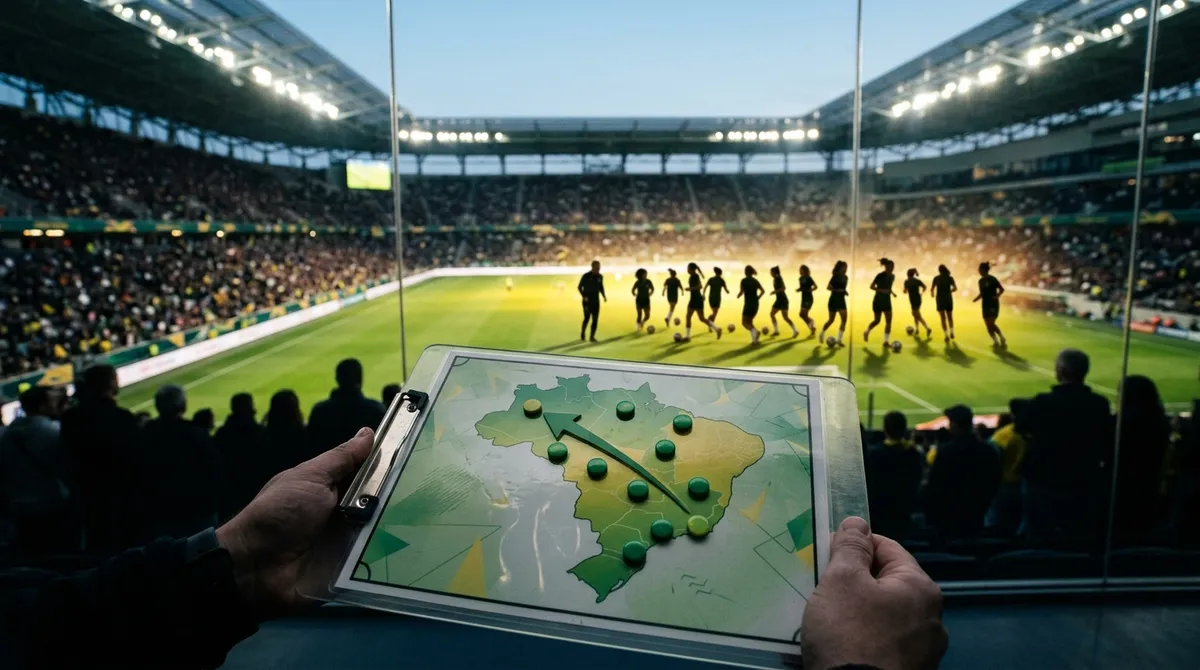
Arthur Elias, who has been at the helm of the Brazilian women’s national team, emphasizes a holistic approach to prepare his players for the upcoming World Cup. He aims to create a tactical roadmap that not only focuses on skill development and match readiness but also on building team cohesion amidst the anticipated pressure of playing in front of a home crowd.
"It’s not just about the games; it’s about how we present ourselves as a unit on the world stage," Elias stated, showcasing his strategic focus on unity and performance.
Spotlight on Host Cities
With the tournament set to be played across several cities in Brazil, each location promises to bring its unique flair and support to the matches. While specific cities are still confirming their roles, potential hosts are expected to deliver vibrant atmospheres, turning match days into celebrations of football and community spirit.
Elias noted that the pride felt in each host city could galvanize local support, encouraging younger generations to get involved in women’s football. It's a chance to not only showcase top-tier competition but also to inspire grassroots movements across the nation.
Engaging the Nation
Hosting the World Cup represents more than just a series of matches; it is an opportunity for Brazil to showcase its cultural richness. Elias's plans include fan engagement strategies that leverage the tournament to foster a deeper connection between the sport and its supporters.
From interactive fan zones to community events preceding the matches, the goal is clear: make football accessible and enjoyable for everyone. It’s about building excitement, creating memories, and instilling a sense of pride in hosting the world’s best.
The Bigger Picture for Women's Football
The 2027 Women’s World Cup in Brazil is poised to significantly impact the national team by serving as a catalyst for the growth of women's football in the country. Elias’s focus on preparation aligns with broader initiatives to improve the infrastructure for women’s sports, ensuring that this tournament can provide lasting benefits.
As interest in women's football continues to peak globally, Brazil's commitment to leveraging its role as a host will be crucial. By translating national pride into on-pitch performance and community enthusiasm, Elias aims to not only succeed in the tournament but lay the groundwork for a more sustainable future for women’s football in Brazil.
Conclusion: Preparing for a New Era
With the 2027 Women’s World Cup looming on the horizon, Arthur Elias is not just focusing on tactics; he's nurturing an entire movement. The challenge now lies in transforming plans into reality, engaging a nation, and inspiring a new generation of players and fans. For Brazil, the stakes couldn’t be higher as they aim to turn this World Cup into a historical chapter for women's football.