
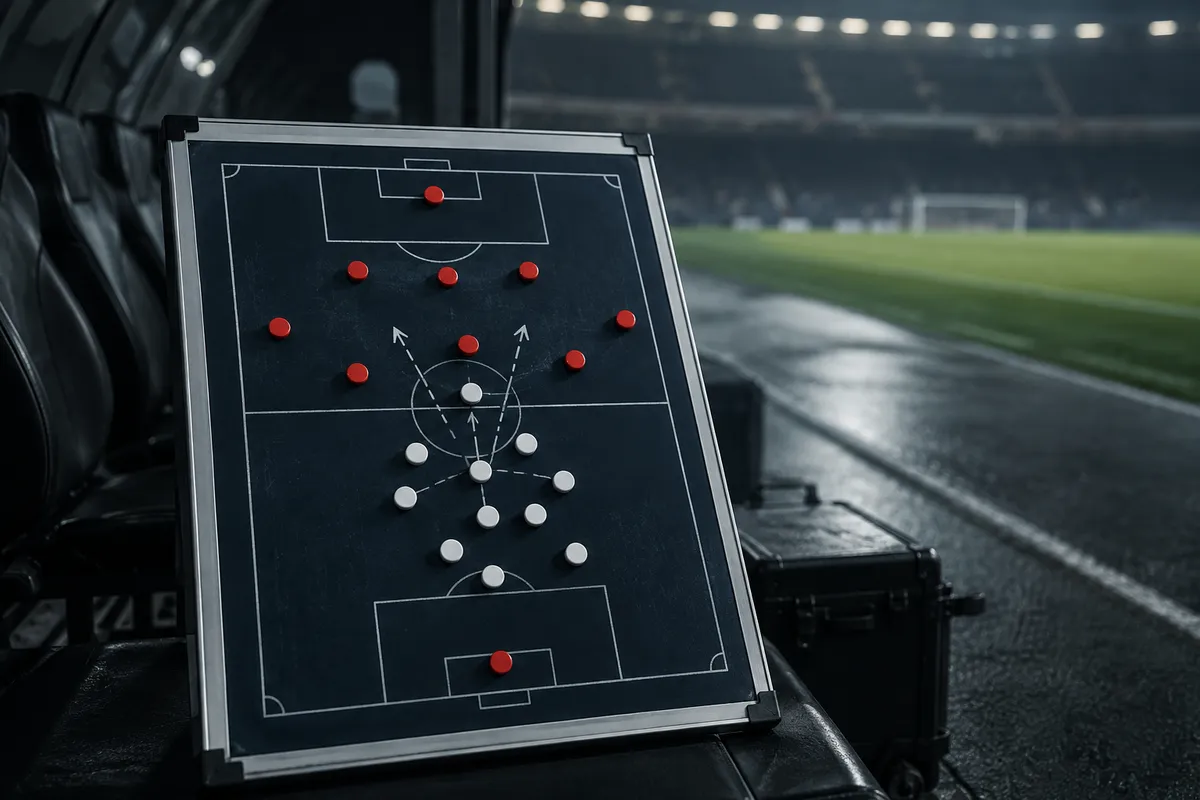
Manchester United had a numerical advantage, a game to control and a chance to settle nerves. They finished with a 1-1 draw against Tottenham Hotspur after conceding an injury-time equaliser, and the pressure on boss Michael Carrick has risen again. This piece looks at one question: is United's problem a mentality issue or a tactical one when they face 10 men?
The BBC's report framed it with a line that stings: "It couldn't happen again could it?" Another failure to beat 10 men, it argued, is eroding belief in Carrick's project.
What Happened Against Spurs
The facts are simple. United drew 1-1 with Tottenham, who were reduced to 10 men. United conceded in injury time. Per the BBC, the result extends a pattern of dropped points in matches that looked winnable.
I can only work from what the BBC reported, so I won't claim details of who scored or how the red card came about. What matters is the shape of the afternoon: United were in a position of strength and could not turn it into three points.
Why Facing 10 Men Is Harder Than It Looks
A man advantage should make life easier. In practice it asks a different question of a team: can you control the ball, move the opposition around and shut the game down?
That is where the BBC's criticism lands. It points to United's inability to control games and to midfield lethargy. Those are linked. If the midfield doesn't keep possession calmly, the opponent never has to chase shadows. A 10-man side can sit deep, stay compact and wait for one moment. One moment is all Spurs needed.
My take: this looks less like a lack of effort in the final minutes and more like a lack of control in the preceding ones. A team that dominates the ball rarely has to defend a late set-piece or a desperate cross.
The Late-Collapse Pattern
The BBC highlights recurring late defensive lapses as a core concern. An injury-time equaliser is the most painful version, because it turns a likely win into a draw in the final seconds.
When you watch United over the coming weeks, look at three things:
- Game state management: Do they slow the tempo and keep the ball when level or ahead, or do they let the match become stretched?
- Midfield positioning: Is there a screen in front of the back line when the opponent breaks?
- Substitutions: Do changes add legs and structure, or do they just add bodies?
These are my viewing suggestions, not claims from the report. They are the quickest way to judge whether the problem is tactical (setup and structure) or mental (concentration and belief).
Is the Midfield the Real Problem?
The BBC's argument leans on a lethargic midfield. If that holds, it matters more than any single defensive error. Midfielders set the tempo. When they are slow to win the ball back or slow to move it, the defence spends more time under pressure and the forwards get less service.
That makes Carrick's selection and setup the obvious point of scrutiny. Whether the fix is personnel, shape or intensity is the debate fans will have, and the evidence from one match cannot settle it. But a repeated failure against 10 men is a strong clue that the structure is not producing control.
How Quickly Pressure Builds at Old Trafford
The timing adds to the story. The BBC notes United's poor form has arrived early in the season, echoing recent campaigns where managers came under pressure before autumn had fully begun. Fan frustration and pundit criticism are growing, and dropped points in winnable games are making Carrick's position look like a live issue.
That is the Old Trafford reality: patience is thin, and results like this one get read as verdicts on an entire project rather than as single afternoons.
What Carrick Needs Next
None of this means the case is closed. One draw does not decide a tenure. But the BBC's point about fading belief is the key one, because belief is built by evidence, and the evidence people want is simple:
- A game where United see out a lead without a nervy finish.
- A game where the midfield visibly controls the tempo.
- A win in a match they are expected to win.
Until those appear, every dropped point will be measured against this one.
The Takeaway
Watch how United play the minutes before the late goals, not just the goals themselves. If they start controlling games earlier, the collapses will stop on their own. If they don't, Carrick's pressure will keep rising.