
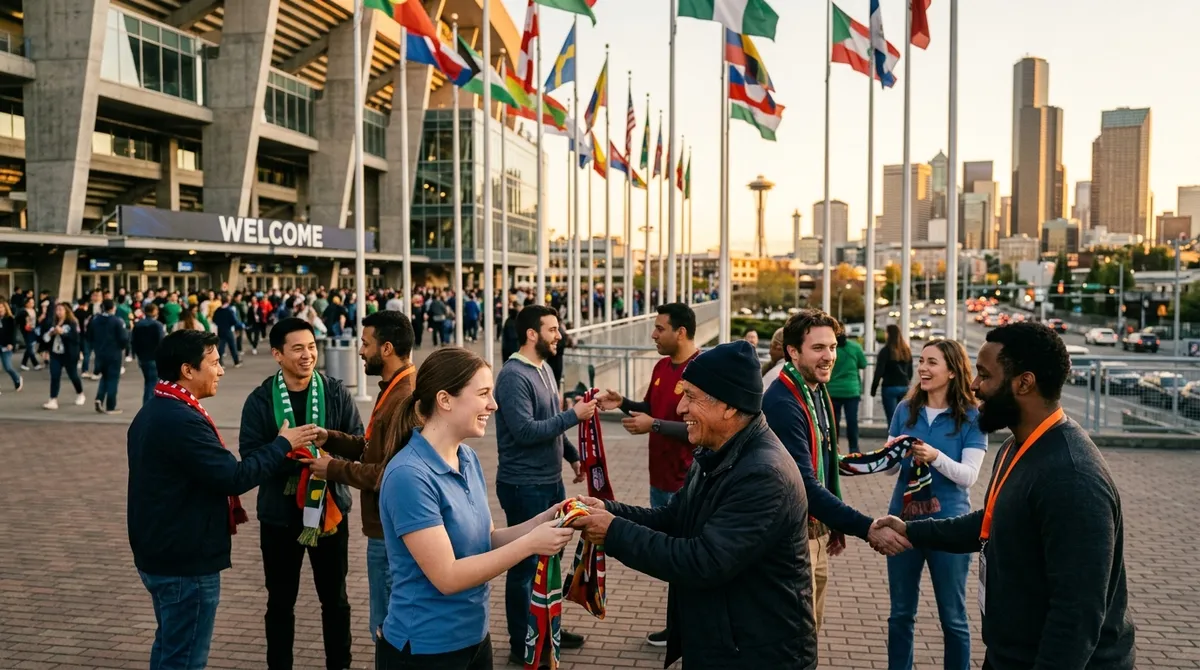
The 2026 FIFA World Cup, kicking off this summer, marks not just a major sporting event but a potential turning point for the United States in terms of global influence and sports diplomacy. With the eyes of the world on American soil, this World Cup could redefine the nation's image and relationships with both allies and rivals alike.
What is Sports Diplomacy?
Sports diplomacy refers to the way nations use sporting events and opportunities to foster international relationships, peace, and cultural exchange. This 2026 World Cup is poised to be a leading example, showcasing how the intersection of sports and diplomacy can enhance soft power.
Changing the Narrative
As strategic advisor Samuel Hymes points out, how the U.S. approaches this World Cup will play a significant role in shaping its global narrative. It’s about more than just the game; it’s about building connections that extend beyond the field. The U.S. has an opportunity to present itself as a welcoming host, using sports to promote collaboration and understanding among diverse nations.
Economic and Cultural Boost
Hosting the World Cup will not only enhance the cultural tapestry of American cities but also stimulate local economies. Cities that host matches will see an influx of tourists, enhancing local businesses and creating temporary jobs. Given the scale of this event, the economic ripple effects could be felt long after the last goal is scored.
The Next Decade of Mega Events
Looking further ahead, the 2026 World Cup is just the beginning of a busy decade for the United States in terms of global sporting events. The U.S. will host numerous international championships, each offering opportunities to fortify its status as a leader in sports and diplomacy.
Preparing for a New Era
As cities and organizations prepare for this landmark event, there’s considerable focus on infrastructure, security, and the overall experience for fans from around the world. Meeting these challenges is crucial in ensuring that the U.S. can leverage its hosting of the World Cup not just for sports but also for broader international relations.
Conclusion
The 2026 World Cup represents a pivotal moment for the U.S. in the realm of sports diplomacy. By effectively showcasing its culture and fostering international connections, the U.S. can reshape its global image and influence for decades to come. This event is more than just a series of matches; it's an opportunity for the nation to demonstrate how sports can unite people and nations, reinforcing the power of collaboration and understanding in an increasingly complex world.