
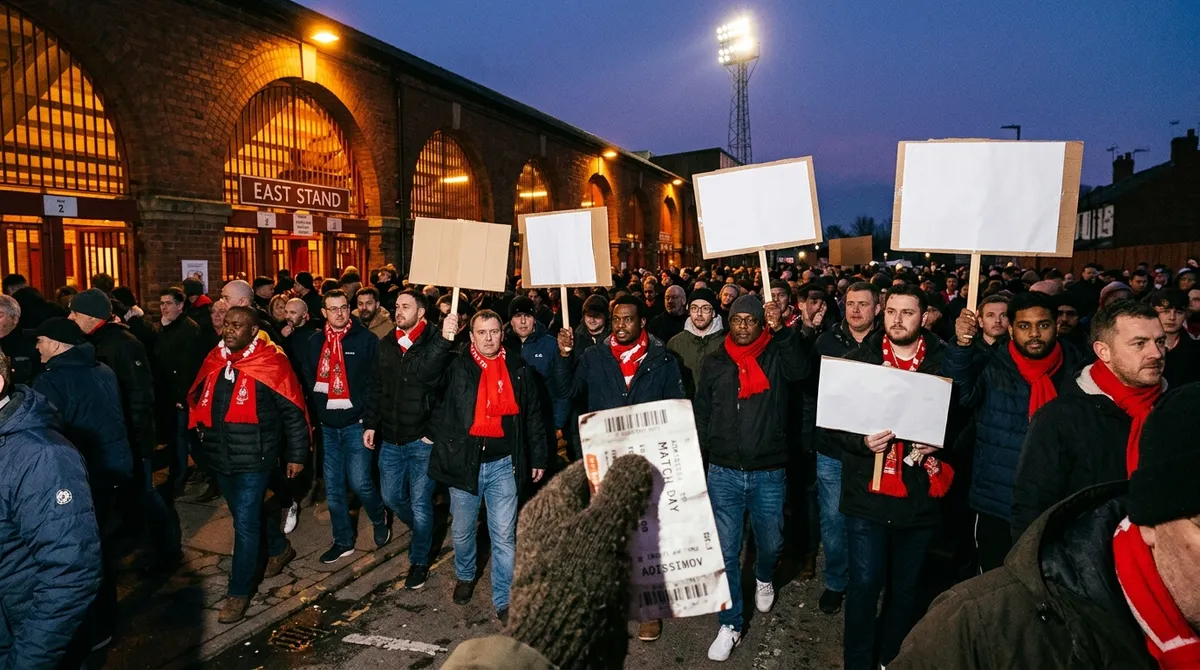
Liverpool ticket prices have become one of the defining supporter issues at Anfield, and the club's latest shift shows how powerful fan pressure can be when it is organized, persistent, and clear. After criticism from supporter groups, Liverpool moved to adjust its pricing approach, opening a wider debate about affordability, loyalty, and the future of matchgoing culture in the Premier League.
Why Liverpool ticket prices matter so much
For many supporters, a ticket at Anfield is not a luxury purchase. It is part of family routine, local identity, and lifelong commitment. That is why even modest changes to pricing can create a strong reaction, especially during a wider cost-of-living squeeze.
Liverpool are one of world football's biggest clubs. Demand for seats remains far higher than supply, even after Anfield's recent expansion work increased capacity. That demand gives the club major commercial strength. However, it also creates tension when regular fans feel priced out of the matchday experience they helped build.
The issue is not only about pounds and percentages. It is about what kind of club Liverpool want to be. Supporters often argue that global growth should not come at the expense of the local fan base, younger fans, or long-serving season ticket holders.
Fan groups pushed Liverpool to rethink the plan
The change followed scrutiny from organized supporter representatives, including fan groups active around Anfield and the wider Liverpool support. These groups have repeatedly called for meaningful consultation before ticketing decisions are made, rather than communication after policies are already set.
The central concern was straightforward. Fans wanted the club to recognize the financial pressure on matchgoing supporters. They also wanted Liverpool to protect the traditions that make Anfield distinctive, including a passionate Kop and a strong local presence inside the stadium.
Supporter groups have become increasingly influential across English football. At Liverpool, this influence has grown through sustained campaigning, structured dialogue, and visible matchday action. When fans speak with a united message, clubs find it harder to treat ticket pricing as a purely internal business decision.
What changed in Liverpool's ticket pricing approach
Liverpool's revised position signalled that the club had listened to some of the concerns raised by supporters. The details centered on making the pricing structure more acceptable and easing the impact on fans most likely to be affected by increases.
For supporters, the most important point was that the club did not simply ignore the backlash. Instead, it adjusted course after conversations with fan representatives. That matters because consultation only has value if it can influence outcomes.
Pricing decisions at elite clubs usually involve several categories. These can include season tickets, members' tickets, match-by-match sales, concessions, junior prices, local allocations, and cup fixtures. Any change in one area can affect thousands of fans, especially at a stadium where availability is limited.
Supporters will now look closely at how Liverpool apply the new approach in practice. A policy can sound positive in principle, but its real value depends on renewals, allocations, administrative fees, and access for less affluent fans.
The bigger Premier League affordability debate
Liverpool are far from alone in facing criticism over ticket prices. Across the Premier League, clubs have been challenged over increases at a time when broadcast revenue, sponsorship income, and commercial growth remain extremely high.
Many fans believe top-flight clubs should be able to keep general admission prices affordable. Their argument is simple. Matchday income is important, but it represents only one part of a much larger financial model for elite clubs.
At the same time, clubs often point to rising operational costs, stadium investment, player wages, safety requirements, and matchday services. Those pressures are real, but supporters frequently question why the burden should fall on loyal fans first.
This is where Liverpool's situation becomes especially sensitive. The club's identity is strongly tied to community, solidarity, and working-class football culture. When prices rise, critics argue that these values must be more than branding.
Anfield demand creates a difficult balance
Anfield is one of football's most sought-after venues. Liverpool could likely sell many seats several times over for major games. That reality gives the club pricing power, but using that power too aggressively risks damaging trust.
The strongest matchday atmospheres are not created by tourists alone. They rely on regular supporters who understand the songs, rituals, rivalries, and emotional rhythm of the club. If too many are priced out, the stadium experience can become less authentic.
This concern is especially important for younger fans. If children, teenagers, students, and young adults cannot afford to attend matches, the next generation of matchgoing Liverpool supporters becomes harder to sustain.
Concession pricing remains a key part of that discussion. Supporters often want clear protections for juniors, seniors, and other groups who may struggle with higher costs. They also want transparency about how many affordable tickets are available.
Why consultation is now central to club decisions
Modern football clubs are under greater pressure to involve fans in major decisions. Ticketing is one of the clearest areas where supporter consultation can produce practical results.
At Liverpool, fan engagement has become more structured in recent years. Supporters expect the club to discuss topics such as ticket prices, allocations, stadium access, travel, concessions, and matchday operations before final decisions are announced.
The latest ticketing change will likely strengthen those expectations. If dialogue helped shape one decision, fans will expect the same process next time. That creates a higher standard for future engagement.
For Liverpool, this can be a positive development. Better consultation can reduce conflict, improve trust, and help the club understand how policies affect different sections of the fan base.
What supporters will watch next
The next important stage will be implementation. Fans will study season ticket renewals, members' sales, cup pricing, local access schemes, and concession details. They will also watch how the club communicates future changes.
Transparency will be vital. Supporters want to know why decisions are made, how prices are calculated, and whether fan feedback has influenced the final structure. Clear explanations can prevent frustration from growing.
There will also be attention on whether affordable access improves for fans without season tickets. Liverpool's membership sales and ballot systems are already highly competitive. Any pricing policy must work alongside fair distribution.
Ultimately, the debate is about more than one season. It is about the long-term relationship between Liverpool and the people who fill Anfield week after week.
Conclusion
Liverpool's ticket price change shows that supporter voices still matter in elite football. The club has enormous global reach, but its identity remains rooted in the fans who create the Anfield atmosphere. By responding to concerns from fan groups, Liverpool have taken a step toward rebuilding trust on a sensitive issue.
The challenge now is to turn that response into lasting policy. Affordable tickets, genuine consultation, and protection for loyal supporters should remain central to the club's approach. If Liverpool can balance commercial growth with matchgoing tradition, Anfield will be stronger for it.