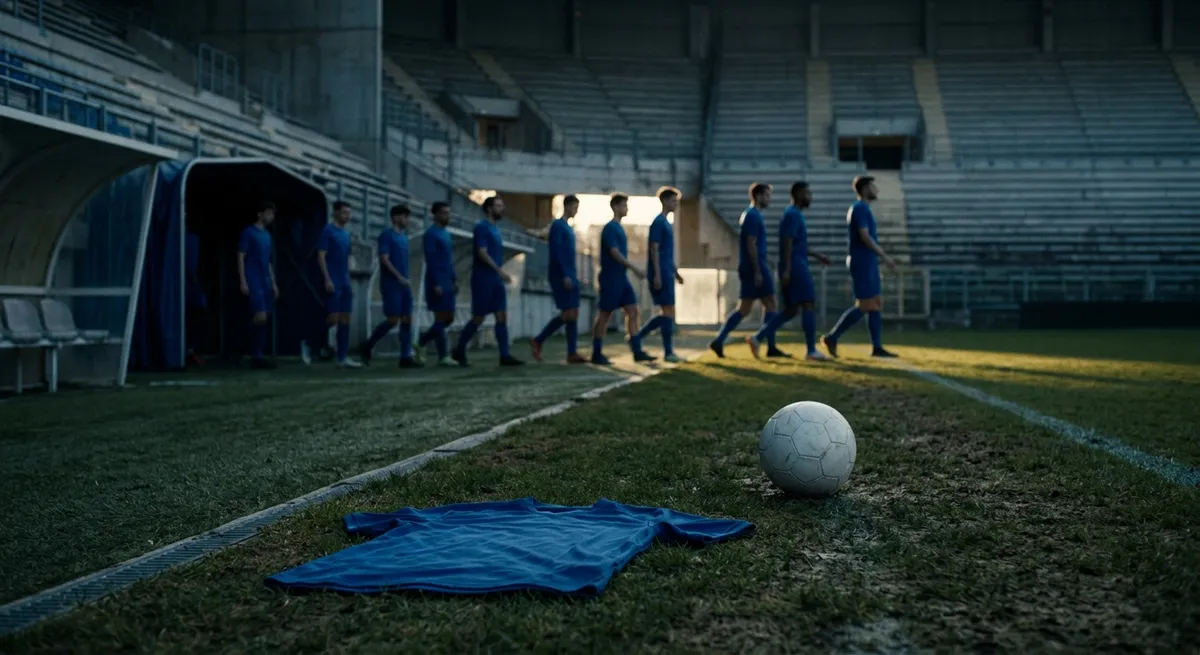
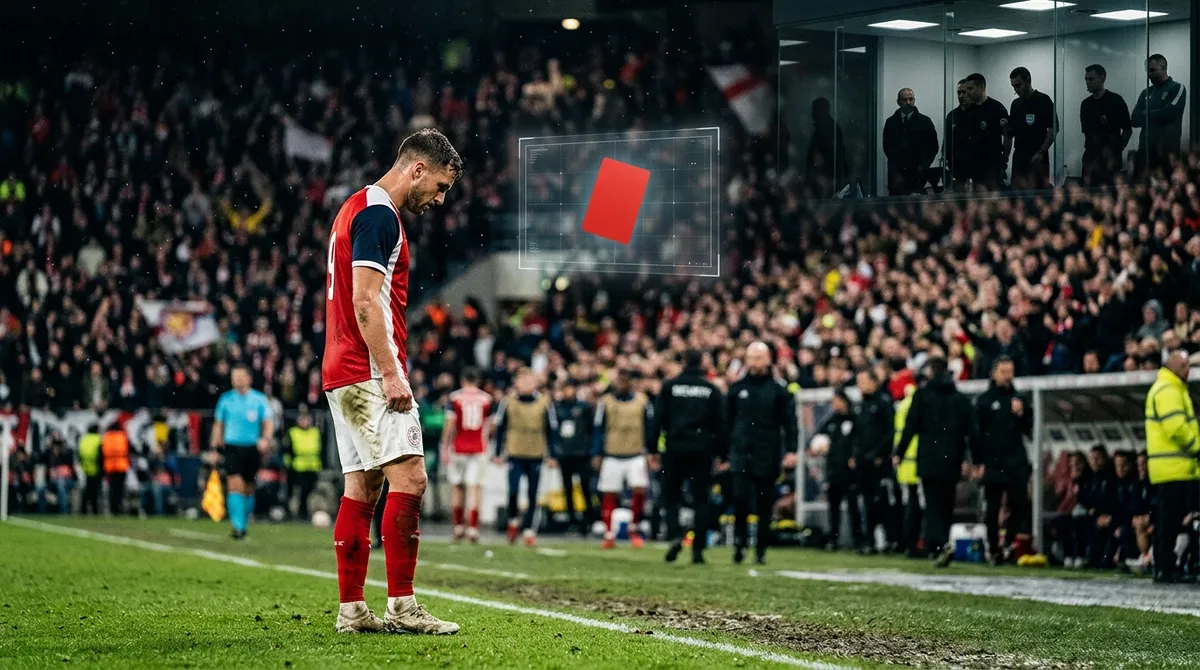
TL;DR: FIFA's recent decision to suspend Folarin Balogun's red card ban for the World Cup 2026 has sparked debate over favoritism, political influence, and lack of transparency in sports governance.
Introduction
In the world of soccer, few organizations inspire as much passion and controversy as FIFA, especially during a World Cup. The latest twist in the tale comes with the stunning decision to suspend Folarin Balogun's red card ban, allowing him to feature in the Round of 16 against Belgium. But why does this seemingly arbitrary ruling raise such alarms? Let’s dive into what this means for FIFA's integrity and the credibility of the World Cup itself.
The Context behind the Decision
FIFA’s decision to allow Balogun to take the field has left many scratching their heads. Having initially received a one-game suspension for a red card, the suspension was lifted under the organization’s Article 27 loophole. This article gives FIFA the power to overturn suspensions without detailed justification, meaning they can act almost arbitrarily. Is this a valid exercise of authority, or merely a reflection of FIFA’s inconsistent governance?
Favoritism Toward Host Nations?
The timing of Balogun’s eligibility directly coincides with the heightened spotlight of the World Cup, especially for a host nation like the USA. This has led to accusations that FIFA may be playing favorites, particularly given the political context in the country. Speculation runs rampant: could there be influences reaching from the Trump administration that nudged FIFA's decision in favor of the American team? Balogun is undoubtedly a rising star, and access to top-tier matches is crucial for his development—but did politics play a role in his reinstatement?
Transparency Issues and Accountability
The bigger issue at hand is FIFA’s chronic lack of transparency and accountability. Complaints from smaller nations regarding officiating and player treatment have been rampant, and decisions like this only fuel skeptics. When organizations like FIFA wield such power with little oversight, it leads to damaging precedents that could erode trust in the sport. If rules can be bent to suit the narrative of a competition, where does that leave the principle of fair play?
VAR and Its Complications
Another layer of complexity stems from the advent of VAR (Video Assistant Referee), which has already faced its own challenges during this tournament. The introduction of technology was meant to enhance the accuracy of officiating, yet the subjectivity inherent in its implementation can lead to decisions that ruin players’ careers. Balogun's case is another notch on a long list of contentious calls rugby could face.
American Exceptionalism: A Double-Edged Sword
One cannot ignore the phenomenon of American exceptionalism that often permeates sports. For decades, the U.S. national teams have petitioned for more recognition and opportunities, but decisions like this may send mixed messages. It raises the uncomfortable question of whether the U.S. receives preferential treatment and how this affects the perception of global competition.
The Entertainment vs. Rules Debate
Ultimately, there's an ongoing debate about whether the integrity of sports lies in having the 'right' outcomes or maintaining consistent rule enforcement. Is it better for FIFA to keep the sport entertaining, allowing key players to shine, or should they hold strict adherence to the rules that govern the game? This philosophical dilemma is not only a talking point among experts but resonates on every level of fandom.
Conclusion
FIFA’s decision regarding Folarin Balogun’s red card suspension highlights the ongoing issues of transparency, favoritism, and political influence within the realm of professional sports. While the excitement of the World Cup draws fans together, it can’t overshadow the need for more consistent and fair governance. As we move forward in this tournament, the stakes are high, and all eyes will remain glued not just on the matches but also on the governing body behind them. Will FIFA reform? And can fans reclaim a sense of fair play amid the towering commercial and political pressures? One can only hope for clarity moving forward.