
Rugby's Opportunity in the U.S.
As World Rugby prepares to bring the men’s Rugby World Cup to the U.S. in 2031, recent events in Baltimore offer valuable lessons on how to succeed where FIFA has stumbled. This examination not only highlights World Rugby's ambition but also outlines significant factors that could propel the sport into the American mainstream.
Baltimore's Historic Showcase
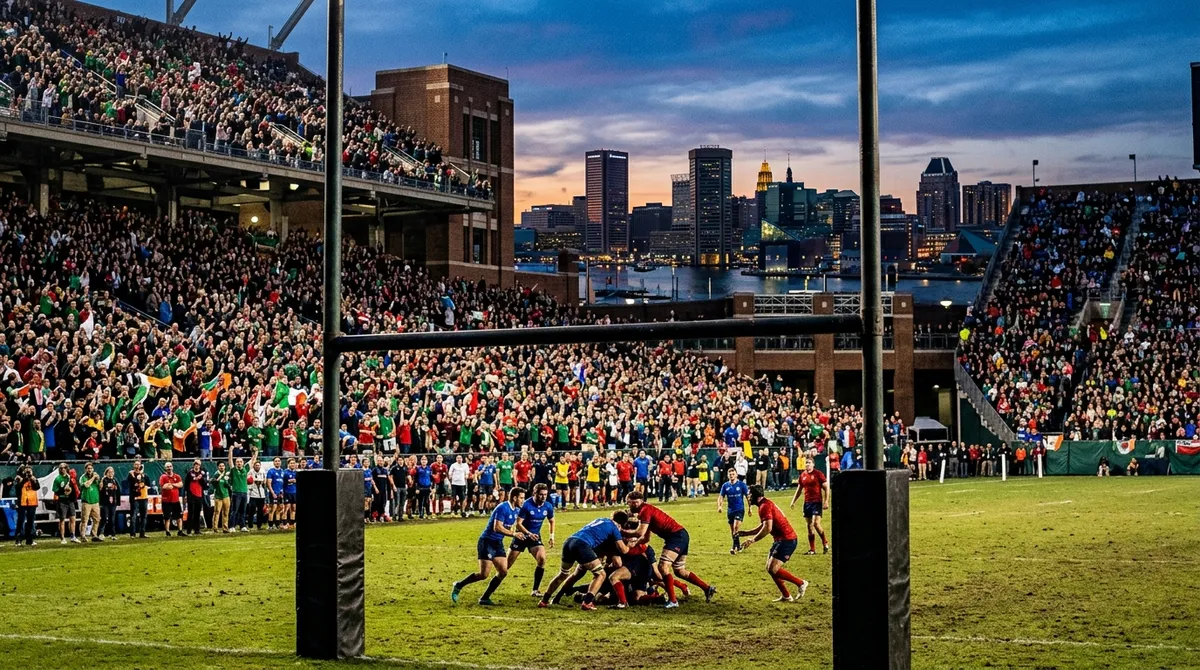
Last month, Baltimore hosted a matchup between South Africa and New Zealand, attracting a record crowd for U.S. rugby. This event wasn't just a game; it was a clear signal of the potential for rugby in America. With enthusiastic fans gathered for this historic showcase, World Rugby demonstrated that there is a growing interest in the sport that can be tapped into.
Learning from FIFA's Experience
FIFA's recent experience with the U.S. World Cup raised numerous questions regarding the affordability and logistics of hosting mega-events. Many U.S. cities expressed their reluctance to meet the high costs associated with FIFA’s demands, showcasing a crucial turning point for future events. As World Rugby looks to establish itself in this competitive landscape, it must tread carefully.
Balancing Ambition with Affordability
One key takeaway from the FIFA World Cup is the need for realistic expectations and transparent economic strategies. World Rugby has a chance to set itself apart by focusing on affordability, ensuring that hosting cities can manage costs without sacrificing the quality of the fan experience. This means seeking symbiotic partnerships with cities and understanding the localized economic realities better.
Enhancing the Fan Experience
Baltimore's record crowd suggests that fans are eager for accessible, enjoyable sporting events. The fan experience is everything, from ticket prices to entertainment. Unlike FIFA, which faced backlash over excessive costs, rugby can lead the charge by ensuring reasonably priced tickets and engaging tailgating activities. Lower costs can yield higher attendance and foster a more vibrant atmosphere.
The Diaspora Fan Base's Role
One aspect that could significantly benefit rugby's American push is the large diaspora fan base in the U.S. Communities with ties to rugby-loving countries can be potent promoters of the sport. Engaging these fans—not by simply catering to their preferences, but by celebrating their traditions and incorporating them into the overall experience—could help World Rugby foster a loyal following.
Competing in a Crowded Sports Landscape
Furthermore, as rugby seeks to carve its niche, it must be mindful of its competition with established sports such as NFL and MLB. Balancing marketing strategies that highlight rugby's uniqueness will be vital. It's not simply about selling tickets but about creating a culture around the event that resonates with American fans who have countless options to choose from.
Conclusion: A Path Forward
As rugby aims for a successful entry into the U.S. sports arena, the lessons from the Baltimore showcase and the FIFA World Cup cannot be overlooked. By prioritizing affordability, enhancing fan experiences, leveraging diaspora networks, and navigating a crowded marketplace smartly, World Rugby can maintain momentum and potentially avoid the pitfalls that have challenged soccer in America. This is a pivotal moment for rugby to establish itself beyond just a niche sport, illuminating a path that could redefine its future in the U.S.