
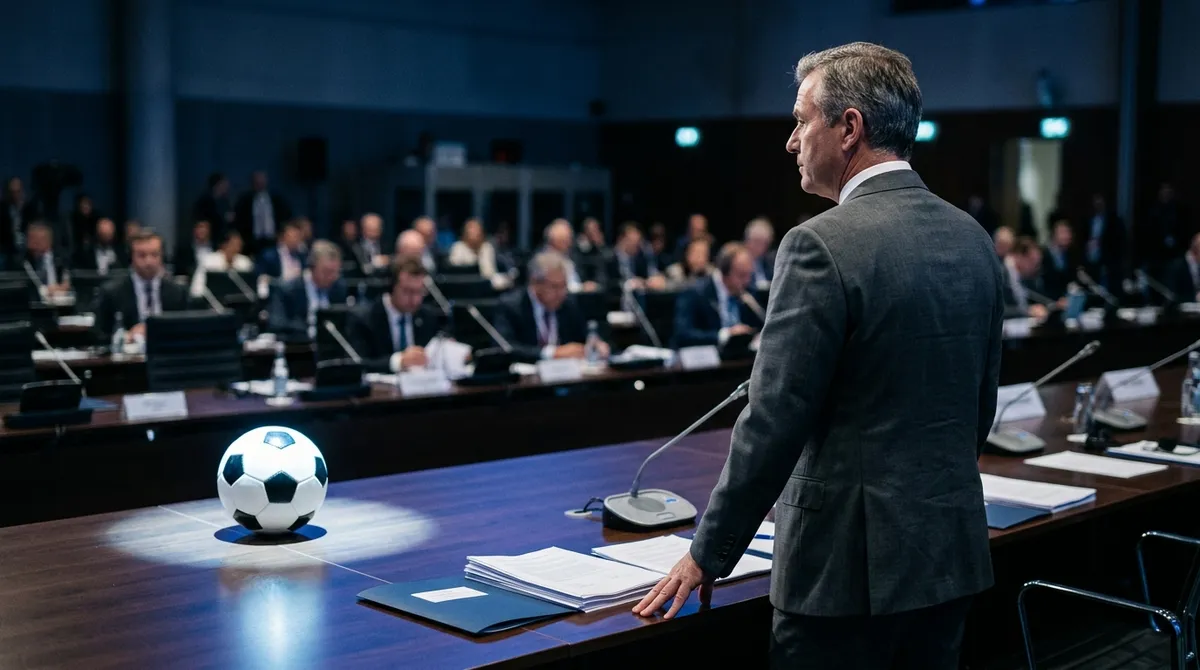
FIFA President Reverses Course on World Cup Privatization
In a significant shift that has taken many by surprise, FIFA President Gianni Infantino has abandoned plans to sell stakes in the FIFA World Cup to private investors. This decision comes in the wake of intense opposition from national federations and clubs who voiced their concerns regarding the commercialization of one of sports' most cherished events.
Infantino's initial proposal aimed at generating significant revenue through private investment in the commercial rights of the World Cup, sparking fears of diluting the tournament's integrity. The U-turn signifies the ongoing complexities surrounding FIFA's governance, especially as the world looks forward to the 2026 World Cup.
The Pressure Behind the Reversal
FIFA's prospect of allowing private investors to own portions of the World Cup’s commercial rights created waves of discontent among various stakeholders. Many within the football community feared that such a move would prioritize profit over the sport’s values, undermining the essence of the World Cup as a globally unifying tournament. National federations and clubs were particularly vocal, leading to scrutiny over FIFA's governance and strategic direction.
Infantino’s decision reflects the pressure exerted by these stakeholders who are steadfast in their belief that sports institutions should remain publicly accountable and operate primarily with the welfare of the game in mind. Their resistance prompted FIFA to reassess its strategy and consider the cultural and historical significance of the World Cup as more than just a financial opportunity.
Shifting Priorities at FIFA
This U-turn highlights a crucial juncture for FIFA as the organization grapples with its revenue strategies amidst longstanding traditions. The abandonment of the privatization plan opens up discussions on alternate funding methods that do not compromise the tournament's integrity.
FIFA has previously depended on lucrative broadcasting rights and sponsorships to drive revenue without controversial moves such as privatization. Infantino's latest move indicates a willingness to listen to feedback and adjust priorities as the excitement for the upcoming World Cup grows.
The Bigger Picture: Accountability vs. Profiteering
The debate around privatizing the World Cup ties into a broader dialogue about accountability in sports governance. Major sporting events globally, like the Olympics or the UEFA Champions League, face similar scrutiny regarding their commercialization and governance structure. The backlash to FIFA’s initial proposal underscores a collective yearning for sports entities to remain rooted in their community and sporting values rather than falling into the traps of profitability at any cost.
As we advance towards the 2026 World Cup, FIFA's move could redefine not only its revenue approach but also influence how sports stakeholders engage in these critical conversations about the future of sports governance. Keeping the World Cup a publicly held event serves to remind us that the spirit of competition and global unity must prevail over financial gain.
The dynamics within FIFA at this moment paint a picture of a governing body navigating the turbulent waters of modern sports management. Infantino's reversal is a step that may restore some faith among fans and stakeholders as the countdown to the World Cup begins.