In a striking reaction following the FIFA World Cup Final, Leandro Paredes has publicly criticized FIFA for what he perceives as a biased suspension stemming from a confrontation during the Argentina vs. Spain match. His comments, particularly the metaphorical "punch in the chest," illustrate his view that the punishment was not only harsh but also emotionally charged and unfair.
The Incident and Suspension
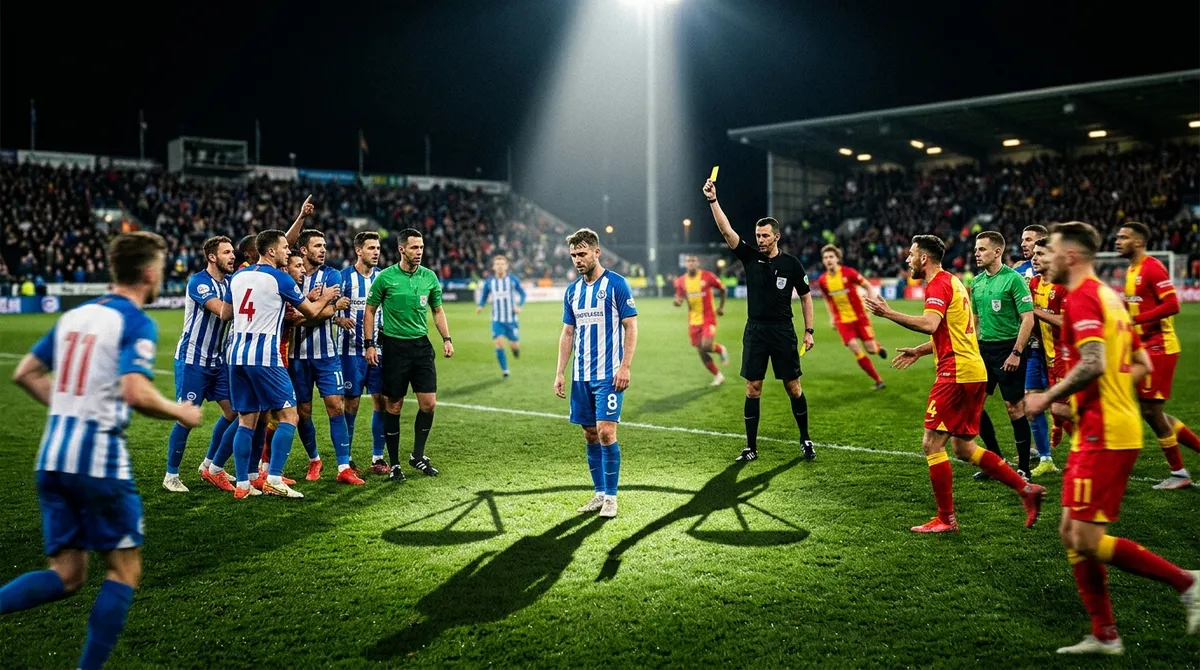
During the intense final match between Argentina and Spain, tensions flared, culminating in a confrontation that would lead to significant repercussions for Paredes. Following the final whistle, FIFA announced a suspension for the Argentine midfielder, a move that has sparked widespread debate over the consistency of disciplinary actions taken by the governing body.
Paredes did not hold back in expressing his feelings about this suspension, framing it as unjust and potentially politically motivated. His critique echoes a common sentiment among fans and analysts who have questioned whether FIFA's disciplinary measures are fairly applied across all teams and players.
The Bigger Picture: FIFA and Team Rivalries
This incident takes place within a broader context of long-standing rivalries in international football, particularly concerning Argentina and Spain. The significance of the World Cup Final goes beyond just two footballing nations; it serves as a focal point for discussions about FIFA's credibility and the perceived biases that can emerge in high-stakes matches.
Controversies surrounding officiating and disciplinary actions can create rifts among fan bases, fueling acrimony and questions about fairness in the sport. Paredes’ remarks are thus not just a personal grievance but resonate with a larger narrative of how FIFA handles disciplinary issues during major tournaments.
Fan Reactions and Historical Comparisons
Fans have always played a critical role in shaping the conversation around football, advocating for transparency and fairness. Paredes' comments have opened the floor to a debate on whether FIFA is consistent in its application of discipline, especially when emotionally charged finals are involved.
Drawing comparisons to past World Cup controversies, this incident could become a talking point in how disciplinary actions are influenced by factors beyond the game itself, as has happened in previous tournaments. Incidents similar to this have often defined the legacy of World Cups, and Paredes’ words could signal the start of a challenging dialogue for FIFA regarding its policies and practices.
Conclusion: A Call for Fairness
As the dust settles on the 2026 FIFA World Cup Final, Paredes' outcry highlights a critical issue that goes beyond one player's suspension. It raises important questions about the fairness of disciplinary actions in football and the need for a more equitable approach from FIFA. For fans, players, and analysts alike, this controversy serves as a reminder of the ongoing need for scrutiny and improvement in the governance of football, making Paredes’ remarks particularly relevant in the ongoing discussion surrounding the sport's integrity.